

In partnership with

The ice cream shop that makes money when it's cold

28 Wishes sells ice cream in Los Angeles. Below 70°F, sales fall about 20%. The weather is out of their hands. Rent isn't.
So the owners started putting about $20 a day into Kalshi weather markets, taking the cold side. The days that keep customers away now pay something back.
This is hedging. Big companies have done it for decades, buying protection against bad weather, fuel spikes and rising rates. It used to take a broker, a trading desk, and an order size no corner shop could meet.
Kalshi opens it up. Contracts on weather, fuel prices, inflation, tariffs and regulation, starting at a few dollars. Take a position on the outcome that would hurt you. If it hits, the payout softens it. If it doesn't, the contract expires and the good month was the point.
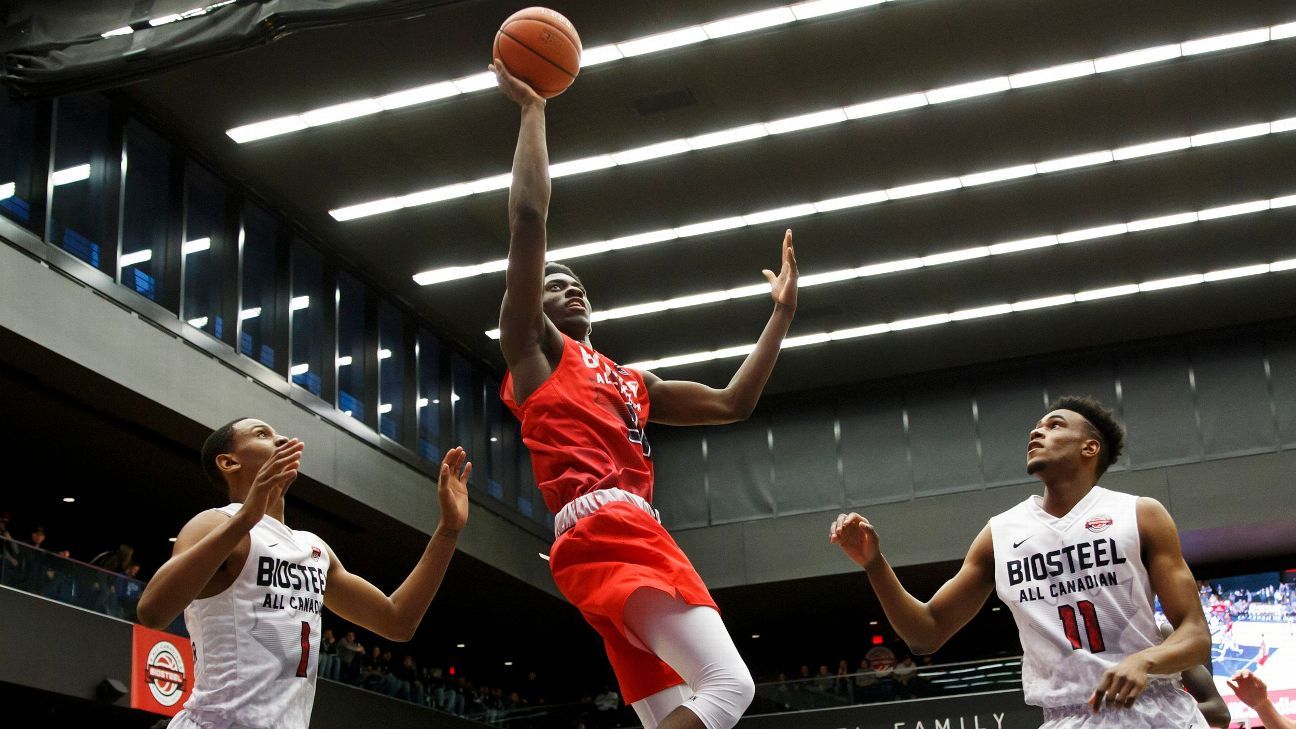
Photo credit: EYBL
Evaluating grassroots players by saving off all the box scores, calculating box plus-minus, and see what that reveals is something I have been doing for over a decade. I first started doing this back when I was writing for ESPN.com

At a later point I might write in explicit detail about the process, and how it could benefit any college team. But for now, this post is covering the top performers in the adidas 3SSB 16U league this past summer, and highlighting interesting observations purely from a statistical perspective. Is this ideal? No, in fact I just wrote about why that is the case. But when there are so many players to consider, and time is super valuable (specifically for college staffs), this is better than sitting down, watching way too much film, and travelling to all of these events. Using these stats should be the first pass for any coaching staff, and would save them so much time by preventing them from chasing down bad intel, and wasting time watching film trying to find a guy that pops that no one else sees.
The Top 10

The Full Spreadsheet
The Analysis
Measured on what he actually does, Youri Warren adds 6.4 points per 100 possessions above pool-average efficiency at his volume, nearly double the next-best player in the division. That is the largest single edge in this dataset and the metric buries it. The downsides: a 0.71 assist-to-turnover ratio is a real problem, five fouls per 40 is a real problem, and a forward with four three-point attempts in 320 minutes has a question to answer about range, but if one name on this page is being systematically undersold by the number next to it, I would say it is this one.
Trae Fields combines volume, efficiency and shooting in one package, which is rare at this level. The hole is on the other end: his defensive BPM is +0.02, dead neutral, and 2.53 steals per 40 is good without being disruptive. If he defends at all by his senior summer, the offensive profile is already high-major.